
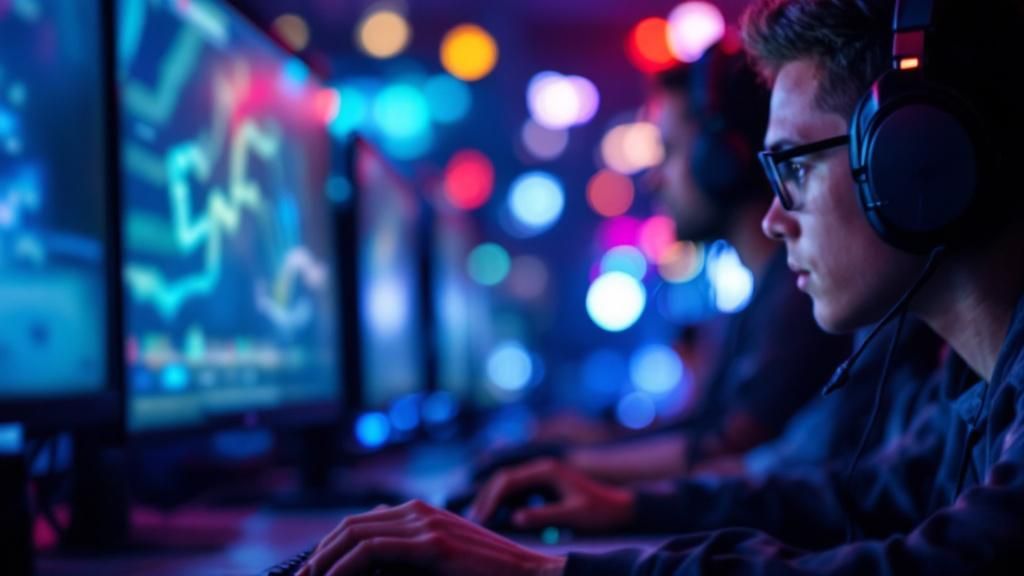
The esports industry has undergone a significant transformation, with professional teams finally acknowledging that esports competition demands as much mental toughness as physical skill. Once dismissed as mere entertainment, esports organisations are now allocating considerable investment into extensive mental wellness programmes. Acknowledging that player burnout, anxiety, and depression significantly affect performance. This development reflects a wider development of the sector, as prominent teams utilise mental health professionals and support systems together with their coaching staff, substantially transforming how the industry supports its athletes.
The Increasing Importance of Mental Health in Competitive Gaming
The competitive gaming landscape has undergone a significant shift in recent years, with professional gaming teams increasingly acknowledging that mental health is as critical as mechanical skill and tactical understanding. Players competing at the highest levels encounter considerable pressure, gruelling practice schedules, and the relentless scrutiny of global audiences. This demanding environment has led to widespread acknowledgement that mental health support is vital for sustaining peak performance and safeguarding athletes’ general wellbeing throughout their careers.
Leading esports teams now acknowledge that allocating resources to mental health infrastructure produces better performance results and reduced player attrition. By establishing comprehensive wellness programmes, teams are addressing the unique psychological challenges fundamental to competitive gaming, including performance anxiety, burnout, and social isolation. This forward-thinking strategy shows that the esports industry is maturing beyond its initial stages, setting professional standards that prioritise player welfare in conjunction with championship aspirations and business growth.
Comprehensive Psychological Wellbeing Programmes in Major Companies
Leading esports teams have established integrated mental support frameworks that go well past fundamental advisory services. These extensive initiatives integrate mental health assistance, wellbeing programmes, and peer mentoring systems tailored to the unique pressures of elite gaming competition. Premier teams now employ dedicated mental health professionals, conduct regular psychological assessments, and create supportive environments where talking about psychological wellbeing is normalised rather than stigmatised, fundamentally transforming athlete support protocols.
Expert Mental Health Assistance
The hiring of skilled mental health professionals has established itself as common practice across elite esports organisations. Esports psychologists, clinical counsellors, and coaching specialists collaborate closely to tackle the complex challenges athletes encounter, including competitive anxiety, competitive demands, and the emotional strain of rigorous training regimens. These professionals deliver individualised therapy sessions, team-based interventions, and emergency support systems, confirming competitors obtain evidence-based psychological care equivalent to conventional sports settings.
Specialist psychological wellbeing services across esports teams go further than reactive crisis intervention to active mental health support. Organisations establish regular psychological screening, stress management workshops, and programmes designed to build resilience tailored to gaming contexts. Players benefit from confidential therapy support, sleep optimisation programmes, and approaches to handle social media pressure, establishing robust support networks that place emphasis on mental health throughout their careers.
- Sports psychologists specialising in esports competitive performance improvement
- Individual therapy sessions addressing anxiety and depression
- Group psychological support workshops and stress management training
- Emergency response procedures and emergency psychological support
- Confidential therapeutic services with qualified psychological professionals
Influence on Player Output and Group Dynamics
The integration of mental wellbeing services has significantly boosted player performance across professional esports teams. Players who receive psychological counselling and stress management training show better focus, improved reaction speeds, and greater consistency during high-pressure competitions. Furthermore, reduced anxiety and depression amongst squad members leads to better strategic choices during critical competitions, ultimately leading to enhanced tournament performance and prolonged competitive achievement.
Beyond individual performance metrics, extensive mental health programmes enhance the cohesion and dynamics of the team. When players receive emotional support, trust among squad members deepens, promoting improved communication and teamwork during competitive play. Teams that prioritise player psychological wellbeing report fewer interpersonal conflicts, increased morale, and more positive training settings. This comprehensive approach to athlete welfare creates a positive cycle wherein athletes in better health deliver improved performance, which in turn supports organisational success and team unity.
Future Outlook and Regulatory Framework
The evolution of psychological support services within professional esports appears increasingly promising, with sector leaders anticipating widespread adoption of holistic player welfare initiatives. Major esports organisations are setting standards that emerging teams aspire to follow, creating a performance benefit through better player wellbeing. As regulatory organisations and competition organisers recognise the correlation between mental wellbeing and performance, consistent psychological support frameworks are likely to become mandatory requirements rather than optional enhancements. This evolution mirrors trends in conventional sports, where mental health services has become essential for peak performance.
Looking ahead, the standardisation of mental health discussions within competitive gaming environments will certainly attract increased financial backing and mainstream recognition. Educational institutions and gaming academies are starting to integrate psychological wellbeing programmes into their curricula, ensuring aspiring competitors understand the importance of psychological resilience from the start. Furthermore, advanced technologies such as portable health monitoring devices and artificial intelligence-powered psychological assessment tools promise to improve preventative support measures. As the sector develops, psychological wellbeing services will transition from a competitive advantage to an essential foundation of professional esports infrastructure.
